Private Hospital Bills in Pakistan: Real Cost Breakdown & Where You Overpay
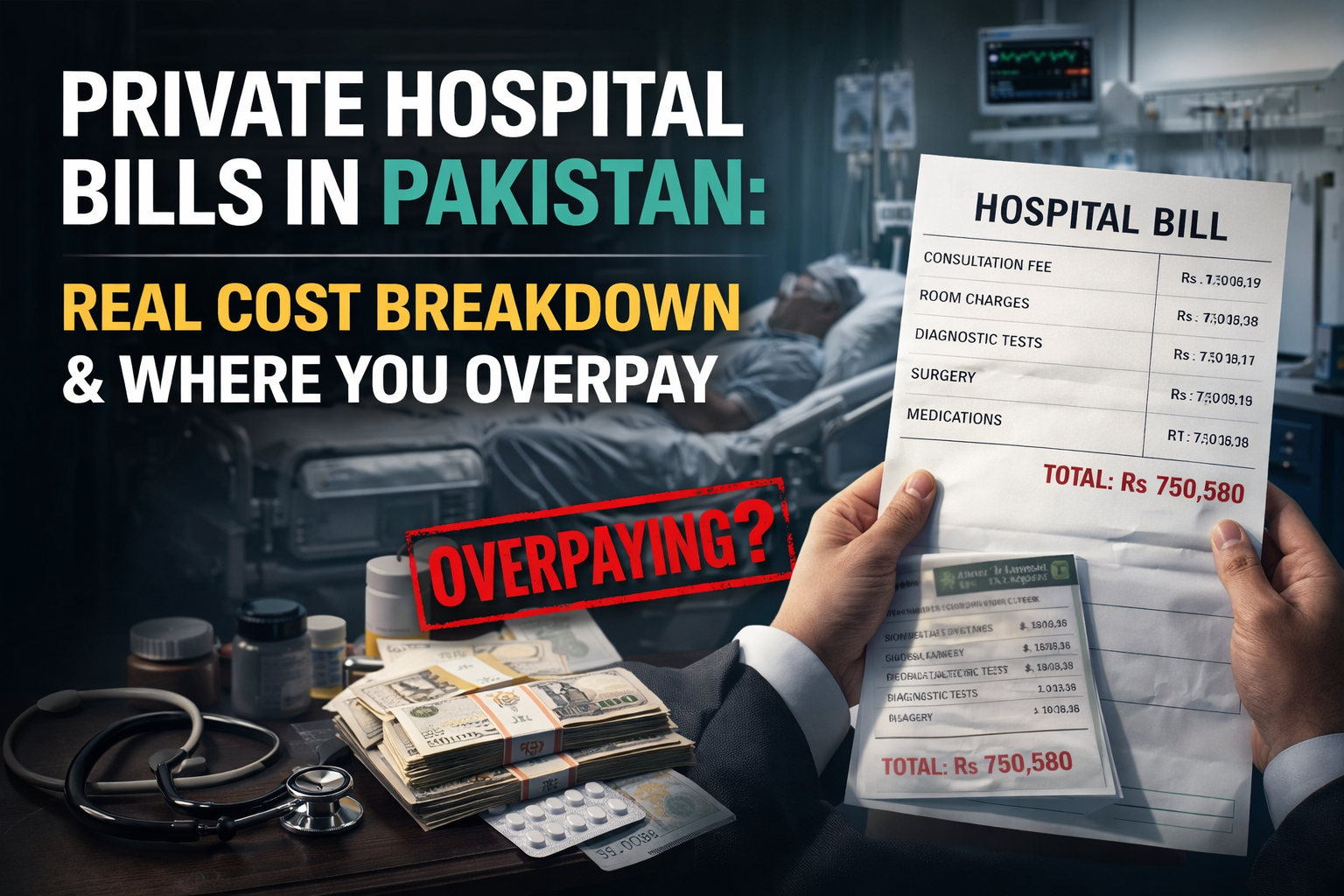
Private healthcare in Pakistan is often seen as faster and more reliable than public hospitals, but it comes at a high cost. Many patients are shocked when they receive their final bill after treatment. In 2026, rising inflation, expensive medical equipment, and increasing demand for quality healthcare have pushed private hospital charges even higher. Understanding where your money goes can help you avoid overpaying and make smarter financial decisions.
One of the biggest costs in private hospitals is the consultation fee. Specialist doctors, especially in major cities, charge premium rates for a single visit. These fees can vary widely depending on the doctor’s reputation, experience, and hospital brand value. Many patients unknowingly pay higher fees simply because of the hospital’s name rather than the actual quality of care.
Diagnostic tests are another major contributor to high hospital bills. Tests such as blood work, MRI scans, CT scans, and X-rays are often priced significantly higher in private hospitals. In many cases, patients are advised to undergo multiple tests, some of which may not be immediately necessary. This practice increases the overall bill and is a common area where overcharging occurs.
Room charges play a significant role in increasing hospital expenses. Private hospitals offer different types of rooms, including general wards, semi-private rooms, and VIP suites. The more luxurious the room, the higher the daily charges. Many patients are unaware that choosing a higher-category room can also increase other costs, such as doctor visits and nursing charges.
Medication costs inside private hospitals are usually higher than outside pharmacies. Hospitals often have their own in-house pharmacies where medicines are sold at marked-up prices. Patients and their families rarely question these prices, assuming they are standard, which leads to unnecessary financial burden.
Surgical procedures are one of the most expensive aspects of private healthcare. The cost includes surgeon fees, operation theater charges, anesthesia, and post-surgery care. These costs can vary greatly between hospitals, even for the same procedure. Lack of price transparency makes it difficult for patients to compare and choose affordable options.
Emergency care is another area where costs can quickly escalate. Private hospitals charge premium rates for emergency services, including ambulance charges, emergency room fees, and urgent diagnostic tests. During emergencies, patients often have no time to compare prices, making them more vulnerable to high costs.
Nursing charges and service fees are often added to the bill without clear explanation. These charges cover basic care, monitoring, and assistance provided during the hospital stay. However, the lack of detailed breakdowns makes it difficult for patients to understand what they are paying for.
Hidden administrative charges are also common in private hospitals. These include registration fees, file charges, and miscellaneous service fees. While each charge may seem small, they add up to a significant amount in the final bill.
Intensive Care Unit (ICU) costs are among the highest in private hospitals. ICU charges include specialized equipment, constant monitoring, and higher staff-to-patient ratios. Even a short stay in the ICU can result in a very high bill, especially if advanced life-support equipment is used.
Doctor visit charges can also add up quickly. In private hospitals, doctors may visit patients multiple times a day, and each visit is charged separately. Patients are often not informed about these charges in advance, leading to unexpected expenses.
Medical procedures and treatments often include bundled charges, which may not always be transparent. Hospitals sometimes group multiple services into a single package, making it difficult to identify individual costs. This lack of transparency can lead to overpayment.
Another area where patients overpay is duplicate testing. Sometimes, hospitals repeat tests that were already done elsewhere, citing quality concerns. While this may be necessary in some cases, it is not always justified and increases costs unnecessarily.
Medical equipment usage is also charged separately in many cases. Items such as ventilators, monitors, and surgical instruments come with additional fees. These costs are rarely explained in detail, leaving patients unaware of their necessity.
Insurance coverage can reduce costs, but it also has limitations. Many private hospitals have agreements with insurance companies, but not all services are covered. Patients often end up paying out-of-pocket for excluded treatments, leading to higher expenses.
Advance deposits are a common requirement in private hospitals. Patients are asked to pay a significant amount before admission or treatment. This practice ensures payment security for hospitals but can create financial stress for families.
Another hidden cost is the price of consumables. Items such as syringes, gloves, bandages, and surgical supplies are billed separately. These costs may seem minor individually but can significantly increase the total bill.
Hospital branding and location also affect pricing. Hospitals in major cities like Karachi, Lahore, and Islamabad generally charge more than those in smaller towns. The brand reputation often justifies higher prices, even when the quality of care is similar.
Specialist consultations within the hospital can also increase costs. If multiple specialists are involved in a patient’s treatment, each consultation is billed separately. This can quickly add up, especially in complex cases.
Post-discharge costs are another factor to consider. Follow-up visits, medications, and additional tests after leaving the hospital can add to the overall expense. Many patients do not account for these costs when planning their budget.
Overtreatment is a growing concern in private healthcare. Some hospitals may recommend additional procedures or extended hospital stays to increase revenue. Patients often trust medical advice without questioning its necessity, leading to higher bills.
Medical tourism has also influenced pricing in Pakistan. Some private hospitals cater to international patients and charge premium rates. Local patients may end up paying similar prices due to standardized pricing policies.
Another issue is the lack of price regulation in the private healthcare sector. Unlike public hospitals, private facilities have more freedom to set their own prices. This results in significant variations in costs for the same treatment.
Currency fluctuations and import costs also impact hospital bills. Many medical devices and medicines are imported, and their prices increase with currency depreciation. These costs are passed on to patients.
Patients can avoid overpaying by asking for a detailed cost estimate before treatment. Understanding each component of the bill can help identify unnecessary charges and make informed decisions.
Comparing multiple hospitals before choosing one can also save money. Prices for the same treatment can vary significantly, so it is important to explore different options.
Using health insurance wisely is another effective way to reduce costs. Patients should understand their policy coverage and choose hospitals within the network to minimize out-of-pocket expenses.
Negotiation is often possible in private hospitals, especially for large bills. Patients or their families can request discounts or payment plans, which can significantly reduce financial burden.
Keeping all medical records and bills organized is essential. This helps in verifying charges and resolving disputes if needed. Transparency and awareness are key to avoiding unnecessary expenses.
In conclusion, private hospital bills in Pakistan can be overwhelming due to multiple visible and hidden costs. From consultation fees to ICU charges and consumables, every component adds to the final amount. By understanding where you overpay and taking proactive steps, you can manage your healthcare expenses more effectively and avoid financial stress.