Diabetes Treatment Monthly Cost: Cheapest vs Premium Care Comparison (2026)
Diabetes is one of the fastest-growing health conditions in the world, and managing it requires continuous care, regular monitoring, and long-term financial planning. In 2026, the monthly cost of diabetes treatment varies significantly depending on whether a patient chooses basic, budget-friendly care or premium, high-end medical services. Understanding these cost differences can help patients manage both their health and finances more effectively.
The monthly cost of diabetes treatment mainly depends on the type of diabetes, the severity of the condition, and the treatment plan prescribed by doctors. Patients with Type 1 diabetes usually face higher costs due to insulin dependency, while those with Type 2 diabetes may initially manage their condition with oral medications and lifestyle changes.
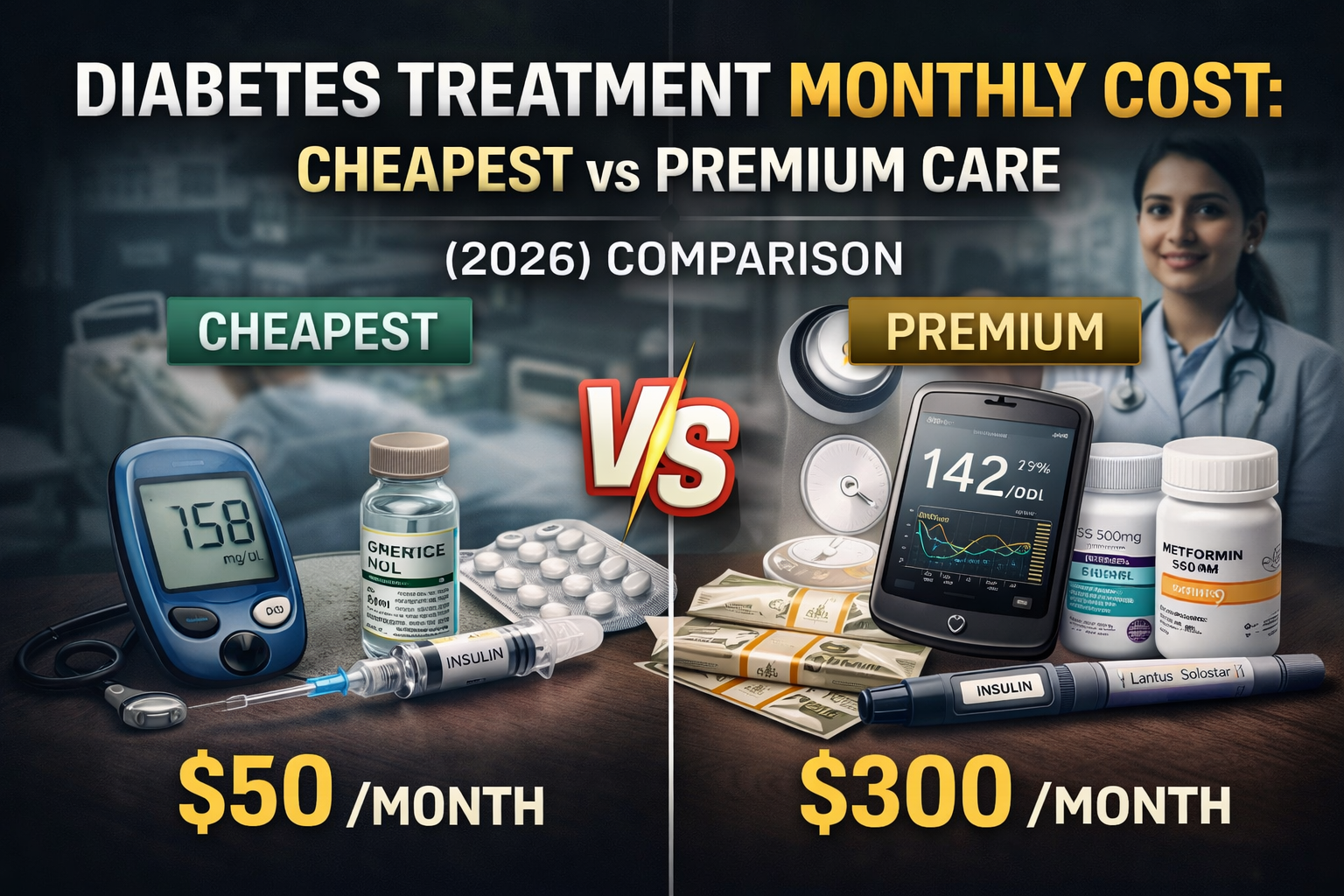
Cheapest diabetes care typically focuses on essential treatment only. This includes basic doctor consultations, generic medications, and minimal diagnostic testing. In Pakistan, patients following a low-cost treatment plan may spend between PKR 3,000 to PKR 8,000 per month, depending on medication type and frequency of checkups.
Premium diabetes care, on the other hand, involves advanced treatment methods, branded medications, and regular monitoring using modern technology. Patients opting for premium care can spend anywhere between PKR 15,000 to PKR 50,000 or more per month, especially if they use imported insulin and high-end monitoring devices.
Medication costs are one of the biggest factors in diabetes treatment expenses. Generic medicines are much cheaper and widely available, making them a popular choice for budget-conscious patients. Premium patients often use branded drugs, which are more expensive but sometimes offer better consistency and fewer side effects.
Insulin therapy significantly increases monthly expenses. Patients using basic insulin options can manage costs more effectively, while those using advanced insulin analogs or insulin pens may face higher expenses. The choice between syringes and insulin pens also affects overall cost.
Glucose monitoring is another key expense. Budget patients often use standard glucometers with test strips, which are relatively affordable. Premium patients may use continuous glucose monitoring (CGM) systems, which provide real-time data but come with a much higher cost.
Doctor consultation fees vary widely between basic and premium care. In budget setups, patients may visit general practitioners or government hospitals at low cost. Premium care often involves endocrinologists and specialized clinics, where consultation fees are significantly higher.
Laboratory tests are essential for diabetes management, including HbA1c tests, blood sugar levels, and kidney function tests. Budget patients may limit these tests to a few times a year, while premium patients undergo frequent testing for better control.
Diet and nutrition also play a major role in diabetes management costs. Budget patients often follow simple home-based diets, while premium patients may consult nutritionists and purchase specialized diabetic-friendly foods, which can be expensive.
Exercise and lifestyle management can be low-cost or high-cost depending on choices. Walking and home workouts are free, but premium patients may invest in gym memberships, personal trainers, or wellness programs.
Complication management is another cost factor. Patients who manage diabetes poorly may face additional expenses due to complications such as heart disease, kidney issues, or nerve damage. Premium care often focuses on preventive measures, which may reduce long-term costs.
Health insurance can help reduce diabetes treatment expenses, but coverage varies. Basic plans may cover hospitalization only, while premium plans may include outpatient care, medications, and regular checkups.
Hospitalization costs can be significantly higher for premium care. Private hospitals charge more for advanced facilities and specialized care, while government hospitals offer lower-cost treatment options.
Technology is transforming diabetes care in 2026. Devices such as insulin pumps and CGM systems provide better control but are expensive. Budget patients may not have access to these technologies, relying instead on traditional methods.
Medication adherence is crucial for controlling costs. Skipping doses or irregular treatment can lead to complications, increasing overall expenses. Both budget and premium patients must maintain consistency in their treatment plans.
Telemedicine has become a cost-effective option for many patients. Online consultations can reduce travel expenses and provide access to specialists at a lower cost compared to in-person visits.
Pharmacy choices also affect monthly costs. Buying medicines from local pharmacies or using generic alternatives can significantly reduce expenses. Premium pharmacies often charge higher prices for branded products.
Government healthcare programs and subsidies can help reduce costs for low-income patients. These programs provide access to free or low-cost medications and services, making diabetes care more affordable.
Preventive care is often overlooked but can save money in the long run. Regular checkups, healthy eating, and active lifestyles can reduce the risk of complications and lower overall expenses.
Premium care often includes personalized treatment plans, which can improve outcomes but come at a higher cost. These plans may involve advanced diagnostics, tailored medications, and continuous monitoring.
Mental health support is another aspect of diabetes care. Managing a chronic condition can be stressful, and premium care often includes counseling or therapy services, which add to the cost.
Emergency care can significantly increase monthly expenses if complications arise. Budget patients may rely on public hospitals, while premium patients often choose private emergency services.
Travel and transportation costs should also be considered. Frequent hospital visits can add to the overall expense, especially for patients living in rural areas.
Education and awareness programs can help patients manage diabetes more effectively. Budget patients may rely on free resources, while premium patients may attend paid workshops or training sessions.
Alternative treatments and supplements are sometimes used in diabetes care. These can add to monthly costs, especially if they are not covered by insurance.
Family support plays an important role in managing diabetes costs. Patients with strong support systems may find it easier to follow treatment plans and avoid unnecessary expenses.
Long-term cost comparison shows that while premium care is expensive upfront, it may reduce complications and hospitalizations over time. Budget care is more affordable initially but may lead to higher costs if the condition is not well managed.
Patients should choose a treatment plan based on their financial capacity and medical needs. A balanced approach that combines affordability with effective care is often the best option.
In conclusion, the monthly cost of diabetes treatment in 2026 varies widely between cheapest and premium care options. From medications and monitoring to lifestyle choices and technology, every factor influences the total expense. By understanding these differences and making informed decisions, patients can manage their diabetes effectively without putting excessive strain on their finances.