Kidney Dialysis Cost Per Month: Government vs Private Hospital Reality (2026)
Kidney dialysis is a life-saving treatment for people with chronic kidney disease (CKD) or kidney failure. In 2026, millions of patients require regular dialysis, but the cost varies widely depending on whether treatment is done in a government or private hospital. Understanding these costs is crucial for patients and families to plan finances and access quality care.
Kidney dialysis is usually required multiple times per week. Each session removes toxins and excess fluids from the blood, performing the function of healthy kidneys. The cost of dialysis is affected by the type of hospital, location, equipment, and additional services.
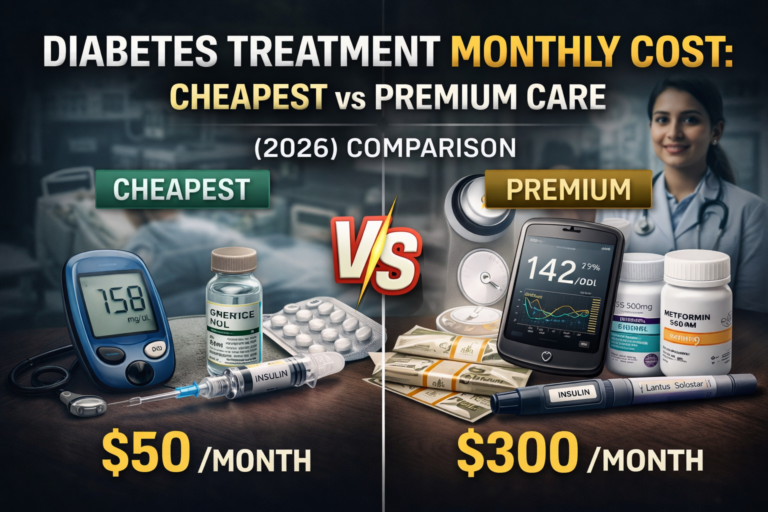
Government hospitals often provide dialysis at a highly subsidized rate. In many countries, the monthly cost can range from $50 to $300, depending on the region and facilities. These hospitals prioritize accessibility and affordability, especially for low-income patients.
Private hospitals offer dialysis with advanced equipment, better hygiene, and personalized care. However, the cost is significantly higher, usually ranging from $400 to $1,500 per month. Premium hospitals may charge more based on technology, staff expertise, and hospital reputation.
One major advantage of government hospitals is affordability. For patients who cannot pay high fees, government facilities ensure life-saving treatment is accessible. Subsidized dialysis programs reduce financial stress for long-term care.
Private hospitals, while costly, provide shorter waiting times and flexible scheduling. For working patients or those who need immediate treatment, private facilities may be more convenient despite the higher cost.
Insurance coverage plays a key role in dialysis expenses. Many government hospitals are covered under national health schemes, offering almost free or minimal-cost dialysis. Private hospital costs are partially covered by insurance, but out-of-pocket payments remain high.
Cost differences also depend on the type of dialysis. Hemodialysis (HD) is the most common type, requiring machines and trained staff. Peritoneal dialysis (PD) is another option, often done at home, which can lower monthly costs and hospital visits.
Government hospitals often focus on standard HD machines, with limited advanced technology. While safe and effective, patients may have to wait for availability due to high demand.
Private hospitals invest in state-of-the-art machines, single-use filters, and advanced monitoring. This reduces risk of infection and improves patient comfort, justifying higher fees for many patients.
Hidden costs must be considered. In government hospitals, patients may spend on transport, medications not covered, and occasional lab tests. Private hospitals often bundle services, but the base price is still higher.
Monthly cost estimates depend on frequency. Standard HD requires 3 sessions per week. In government hospitals, this totals $50–$300 per month, whereas private hospitals can charge $400–$1,500 monthly for the same frequency.
The quality of care is another differentiator. Government hospitals may have higher patient-to-nurse ratios, affecting personalized attention. Private hospitals provide one-on-one monitoring, nutrition counseling, and faster lab results.
Medication and consumables add to the total cost. Government hospitals may subsidize drugs like erythropoietin, iron supplements, and antihypertensives, while private hospitals include them in the overall billing, increasing monthly expenses.
For patients with insurance, private hospital dialysis can be cost-effective if coverage is high. However, patients without insurance often find government hospitals more sustainable for long-term treatment.
Travel and accessibility matter. Many government hospitals are located in city centers or major towns. Patients from rural areas may face travel costs and logistical challenges, adding to the effective monthly expense.
Private hospitals often have multiple branches, flexible timings, and transportation support. Patients may pay more but gain convenience and reduced waiting times, which is critical for dialysis adherence.
Emergency care is another consideration. Government hospitals may prioritize life-saving treatments, but delays can occur due to high patient load. Private hospitals offer faster access to emergency dialysis, which can be life-saving for critically ill patients.
Hygiene and infection control are critical in dialysis. Government hospitals follow standard protocols, but resource limitations can affect cleanliness. Private hospitals invest in sterile environments, reducing infection risk but increasing costs.
Nutrition and counseling services vary. Private hospitals often provide dietitians and mental health support as part of dialysis programs. Government hospitals may offer limited guidance, requiring patients to seek external advice.
Patient satisfaction often leans toward private hospitals due to comfort, personalized care, and quick access. Government hospitals, despite being cost-effective, may face complaints regarding waiting time, overcrowding, and limited amenities.
Long-term cost planning is essential. Dialysis is often required for years, and cumulative expenses can be overwhelming. Government hospitals allow patients to save significantly over time, while private hospitals require careful budgeting or insurance support.
Some patients combine options. For example, government hospitals for routine sessions and private hospitals for urgent or specialized treatments. This hybrid approach balances cost and convenience.
Technology adoption affects cost and quality. Private hospitals implement AI-based monitoring, online scheduling, and automated machines, improving patient safety. Government hospitals gradually adopt such technologies, often limited by budget constraints.
Support groups and patient communities are more common in private hospital networks. Patients can access educational resources, counseling, and peer support, improving adherence and outcomes. Government hospitals have fewer structured programs, though NGOs sometimes assist.
Dialysis complications, like hypotension, infection, or vascular access issues, can increase monthly costs. Private hospitals may manage these efficiently with extra monitoring, while government hospitals focus on standard care protocols.
For expatriates and foreign patients, private hospitals dominate the dialysis market due to global standards, language support, and insurance networks. Government hospitals primarily serve local populations, often restricting services for foreigners.
Government dialysis centers often run on a quota system to ensure equitable distribution. Patients may experience limited slots per day, affecting scheduling flexibility. Private hospitals offer priority scheduling at a higher cost.
Education on dialysis management at home is crucial. Private hospitals often provide training for home-based care, dietary management, and fluid control. Government hospitals may offer brief guidance but less personalized attention.
Psychological support is increasingly recognized as part of dialysis care. Private hospitals provide counseling to manage depression, anxiety, and stress related to chronic illness. Government facilities may have limited mental health resources.
In conclusion, kidney dialysis cost per month in 2026 depends heavily on hospital type, insurance coverage, location, and services. Government hospitals offer highly subsidized, life-saving treatment ideal for low-income patients. Private hospitals provide faster access, better facilities, and personalized care at a higher cost.
Patients must consider financial capability, treatment urgency, insurance coverage, and long-term sustainability when choosing between government and private dialysis. Awareness of hidden costs, travel, medications, and support services is crucial for planning.
Hybrid approaches, combining government and private care, can optimize both cost and convenience. Ultimately, the goal is to ensure continuous, high-quality dialysis without compromising health or financial stability.