Health Insurance Claims Rejected? Hidden Reasons Companies Don’t Tell (2026 Data)
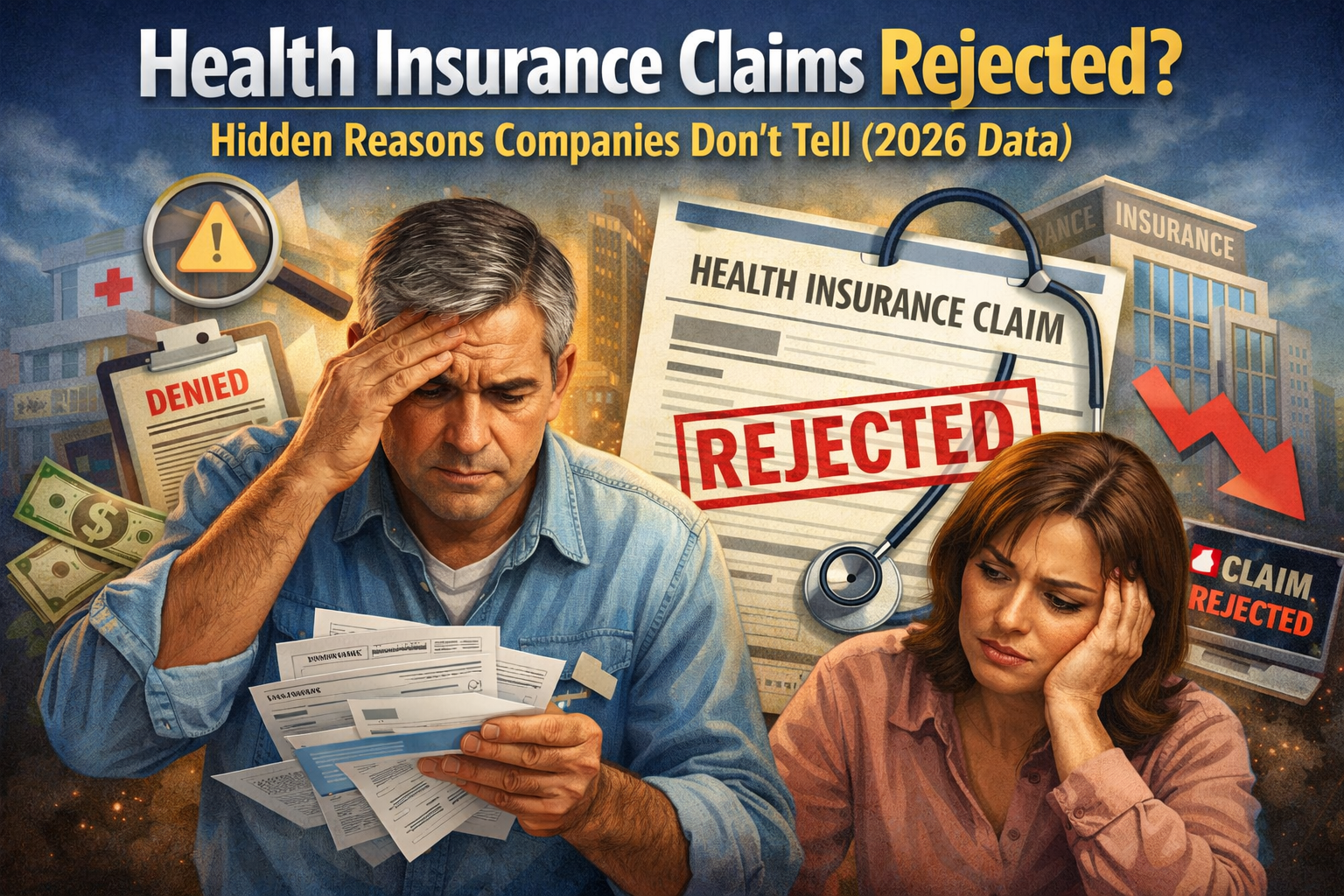
Health insurance is meant to protect people from financial stress, but many policyholders face a frustrating reality: their claims get rejected. In 2026, data trends show that claim rejection rates are rising globally, especially in high-cost healthcare markets. This issue is not just about paperwork errors; it is deeply connected to how insurance companies structure policies, manage risk, and maximize profits. Understanding the hidden reasons behind claim denials is essential if you want to avoid costly mistakes and secure your financial future.
One of the biggest hidden reasons for claim rejection is incomplete disclosure during policy purchase. Many people rush through forms and skip important details about pre-existing conditions, lifestyle habits, or past treatments. Insurance companies use advanced verification systems in 2026, including AI-powered data analysis, to cross-check your medical history. If any mismatch is found, your claim can be denied instantly, even if the issue seems minor to you.
Another major factor is the waiting period clause, which many policyholders do not fully understand. Insurance providers often include waiting periods for specific illnesses, maternity benefits, or pre-existing conditions. Even if you have paid premiums on time, your claim can be rejected if the treatment falls within the waiting period. This clause is one of the most profitable mechanisms for insurance companies because it reduces early payouts.
Policy exclusions are also a silent reason behind many rejected claims. These exclusions are usually listed in long documents filled with technical terms. Treatments related to cosmetic surgery, experimental procedures, or certain chronic diseases may not be covered. Many policyholders only discover these exclusions when their claim is denied, which leads to financial shock and frustration.
Incorrect or insufficient documentation is another leading cause of claim rejection. Hospitals and patients must provide detailed records, including prescriptions, diagnostic reports, and billing statements. Even a small missing document can result in rejection. In 2026, insurers are becoming stricter with digital documentation standards, making accuracy more important than ever.
Cashless claim rejections are becoming more common due to network hospital limitations. Insurance companies maintain a list of approved hospitals, known as network hospitals. If you receive treatment outside this network without prior approval, your cashless claim may be denied. Even in emergency situations, this can create complications for patients and their families.
Delayed claim filing is another overlooked issue. Most insurance policies have a strict timeline for submitting claims. If you fail to inform the insurer within the required period, your claim may be rejected. Many people are unaware of these deadlines, especially during medical emergencies when their focus is on treatment rather than paperwork.
Pre-authorization failures are a growing concern in 2026. For planned treatments, insurance companies often require pre-approval before hospitalization. If this step is skipped or delayed, the claim may not be approved. This process allows insurers to control costs and avoid unnecessary procedures.
Non-disclosure of lifestyle habits such as smoking or alcohol consumption can also lead to claim rejection. Insurance companies assess risk based on your lifestyle. If you hide such details and later require treatment related to these habits, your claim can be denied due to misrepresentation.
Fraud detection systems have become highly advanced, and they play a major role in claim rejections. Insurance companies use machine learning algorithms to detect unusual patterns in claims. Even genuine claims can sometimes be flagged as suspicious, leading to delays or rejections. This is particularly common in high-value claims.
Another hidden reason is policy lapse due to non-payment of premiums. If you miss even one premium payment beyond the grace period, your policy may become inactive. In such cases, any claim made during the inactive period will be rejected. Many policyholders overlook this risk, especially when managing multiple financial commitments.
Medical necessity is a critical factor in claim approval. Insurance companies evaluate whether the treatment was medically necessary or not. If they determine that the procedure was optional or not essential, they may reject the claim. This is often seen in cases involving advanced or expensive treatments.
Room rent limits can also impact claim approval. Many policies have a cap on hospital room charges. If you choose a room that exceeds this limit, the insurer may reduce the claim amount or reject it partially. This hidden clause can significantly increase out-of-pocket expenses.
Coding errors in medical bills are another technical reason for claim rejection. Hospitals use standardized codes for treatments and procedures. If there is a mismatch or error in coding, the insurance company may reject the claim. This issue highlights the importance of accurate billing practices.
Renewal terms and conditions can also affect claim approval. Some policies change their terms during renewal, including coverage limits and exclusions. If you are not aware of these changes, you may face unexpected claim rejections.
Third-party administrators (TPAs) play a key role in claim processing. Sometimes, delays or errors from TPAs can lead to claim rejection. Miscommunication between hospitals, TPAs, and insurers can create complications that ultimately affect the policyholder.
Network hospital agreements can also influence claim outcomes. Insurance companies negotiate rates with hospitals. If a hospital charges more than the agreed rate, the insurer may reject or reduce the claim. This is another hidden factor that policyholders rarely consider.
Another important reason is multiple claims in a short period. If a policyholder files several claims within a short time, the insurer may investigate the case more thoroughly. This can lead to delays or even rejection if any inconsistency is found.
Daycare procedures and their coverage can also be confusing. While many policies cover daycare treatments, not all procedures are included. If your treatment does not fall under the covered list, your claim may be denied.
Ambulance charges and other add-on benefits are often misunderstood. Many policyholders assume these costs are fully covered, but there are limits and conditions. Exceeding these limits can result in partial claim rejection.
Geographical limitations can also affect claim approval. Some policies only provide coverage within specific regions or countries. If you receive treatment outside the covered area, your claim may be rejected.
Another hidden reason is incorrect policy selection. Many people choose policies based on low premiums without understanding the coverage. This often leads to inadequate protection and higher chances of claim rejection.
Claim rejection can also occur due to discrepancies in personal details. Even small errors in your name, age, or policy number can create issues during claim processing. Accuracy in documentation is crucial to avoid such problems.
Technological advancements in 2026 have made claim verification faster but stricter. Insurers now use real-time data analysis to evaluate claims. While this improves efficiency, it also increases the chances of rejection for even minor errors.
Mental health treatments are another area where claim rejections are common. Although awareness has increased, many policies still have limitations or exclusions related to mental health care.
Alternative treatments such as Ayurveda, homeopathy, or acupuncture may not be fully covered. Even if they are included, there are strict conditions and limits that can lead to claim rejection.
Employer-provided health insurance policies often have different rules. Employees may assume full coverage, but these policies usually have restrictions that can result in claim denial.
High-value claims are always subject to detailed scrutiny. Insurance companies carefully जांच large claims to minimize risk. This increases the chances of rejection if any issue is found.
Another factor is misinterpretation of policy terms. Insurance documents are often complex, and misunderstandings can lead to incorrect expectations. This gap between expectation and reality is a major cause of dissatisfaction.
To avoid claim rejection, policyholders must read and understand their policy documents carefully. Transparency and honesty during policy purchase are essential. Keeping all documents organized and following claim procedures can significantly improve approval chances.
In conclusion, health insurance claim rejection is not always random or unfair. It is often the result of hidden clauses, strict rules, and advanced verification systems. By understanding these factors and taking proactive steps, you can protect yourself from financial loss and ensure that your insurance policy truly works for you when you need it most.