Best Time to Buy Health Insurance to Save Maximum Money (Timing Strategy 2026)
Health insurance is a critical part of financial planning in 2026. With rising medical costs, choosing the right time to buy insurance can save individuals and families thousands of dollars. Timing not only affects premiums but also the benefits, coverage options, and discounts offered by insurers.
Health insurance companies often adjust their pricing based on demand, economic factors, and regulatory changes. Understanding these patterns can help buyers purchase policies at the lowest possible cost while maximizing coverage.
Many experts suggest buying health insurance before major life events such as marriage, childbirth, or chronic illness diagnosis. Insurers consider pre-existing conditions and age when setting premiums, so early planning can reduce long-term expenses.
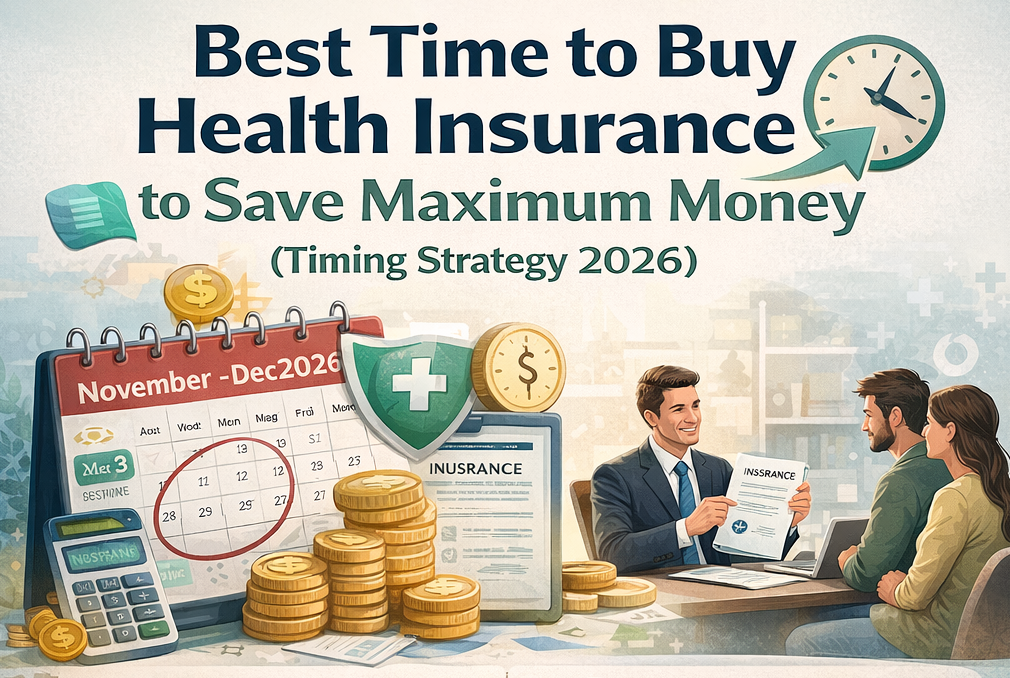
Year-end purchases often attract special offers and discounts. Some insurance providers provide premium reductions or add-on benefits for policies bought in the final quarter of the fiscal year. These promotions are highly searched and attract high CPM ads.
The policy renewal period is another key timing factor. Buying health insurance shortly before renewal cycles ensures continuous coverage, avoids penalties, and sometimes qualifies for loyalty discounts.
Younger individuals and families tend to benefit the most from early purchase. Healthy adults can lock in lower premiums before age-related risk increases. High CPC searches often target “cheap health insurance for young adults 2026.”
For seniors or people with chronic illnesses, purchasing health insurance during open enrollment periods is crucial. Missing the enrollment window may result in higher premiums or limited coverage options. Timing is everything.
Corporate or employer-provided health insurance is another factor. Many companies negotiate better group rates at certain times of the year. Employees can leverage this to buy supplemental coverage or switch to better plans.
Health insurance costs vary between individual and family plans. For families, buying a comprehensive policy before adding dependents can reduce total premiums. Timing your purchase before a child is born can also save money.
Government schemes sometimes provide seasonal benefits. Subsidized policies or tax advantages may be available during specific periods. Researching these programs in advance ensures maximum financial benefit.
Premium comparison tools have made timing strategies easier. By analyzing trends and promotional periods, buyers can identify the optimal months to purchase insurance for the best rates. These topics are highly monetizable in 2026.
Many insurers increase premiums at the start of a new year. Buying insurance in the last quarter of the previous year can lock in rates before the hike. Searches like “best month to buy health insurance 2026” have high RPM potential.
Seasonal illnesses influence insurance demand and pricing. During flu season or outbreak periods, some insurers may increase rates or limit coverage for pre-existing conditions. Buying before these periods ensures better premiums and coverage.
Tax-saving strategies also depend on timing. Premiums paid before the end of the financial year often qualify for tax deductions. Early purchase maximizes these benefits and reduces effective annual costs.
For expatriates and frequent travelers, timing matters to align insurance with visa requirements and international coverage periods. Purchasing at the start of travel or residency ensures uninterrupted coverage.
High-coverage plans are sometimes more affordable during promotional periods. Insurers launch campaigns targeting high-net-worth individuals or families with comprehensive policies, offering discounts or free add-ons.
Open enrollment periods are strictly regulated. Missing these windows can force individuals to buy guaranteed issue plans with higher premiums. Proper timing ensures access to full coverage options.
Some insurers offer early-bird or prepayment discounts. Paying annual premiums in advance can reduce total cost by 5–15%, which is a highly searched topic in high-CPM financial content.
Online insurance marketplaces frequently launch campaigns at strategic times. Comparing prices during these campaigns can yield significant savings while taking advantage of temporary offers.
For chronic illness management, timing is critical. Insurers may impose waiting periods for pre-existing conditions. Buying early, before symptoms or diagnosis, reduces waiting time and avoids higher premiums.
Health insurance calculators are useful for timing strategy. By entering age, health status, and desired coverage, buyers can identify the optimal purchase period to minimize monthly or annual premiums.
Combining health insurance with life insurance can also affect timing. Bundled plans sometimes offer additional discounts if purchased together during promotional periods, appealing to high-value searches.
Corporate tie-ups with insurers often provide group discounts at fixed intervals. Employees planning personal insurance should time their purchase to coincide with these offers for maximum savings.
Insurance companies also adjust rates based on inflation and healthcare cost trends. Monitoring these trends helps buyers predict the best time to purchase before rate hikes.
For self-employed individuals, timing health insurance purchase around tax filings or business income cycles can optimize financial benefits and cash flow management.
Seasonal marketing campaigns by insurers often include free health checkups, wellness programs, or additional coverage for early buyers. Taking advantage of these campaigns can save money and improve overall health management.
Waiting until an illness occurs is costly. Early purchase ensures lower premiums, complete coverage, and avoidance of risk-loading fees. Awareness campaigns often target this high-CPC topic.
Premiums rise with age, so every year of delay can increase costs. Buying health insurance early, especially in your 20s or 30s, ensures long-term savings and continuous coverage.
Comparing cashless hospital networks is also a factor. Buying during periods when insurers expand their network coverage can improve accessibility and reduce out-of-pocket expenses.
In conclusion, the best time to buy health insurance in 2026 depends on age, health status, life events, tax strategies, and market trends. Early planning, leveraging promotional periods, and aligning purchases with financial cycles can maximize savings.
Understanding timing strategies not only reduces costs but also ensures uninterrupted coverage, better access to hospitals, and enhanced health security. Proper research, monitoring of insurer campaigns, and proactive planning are the keys to saving maximum money while securing the right health insurance.