Cashless vs Reimbursement Health Insurance: Which Saves You More Money in 2026?
Health insurance has become an essential financial tool in 2026. With medical costs rising rapidly, having the right coverage can save individuals and families thousands of dollars. Two popular types of health insurance claims are cashless and reimbursement. Choosing the right option can directly affect how much you save, your convenience, and your overall healthcare experience.
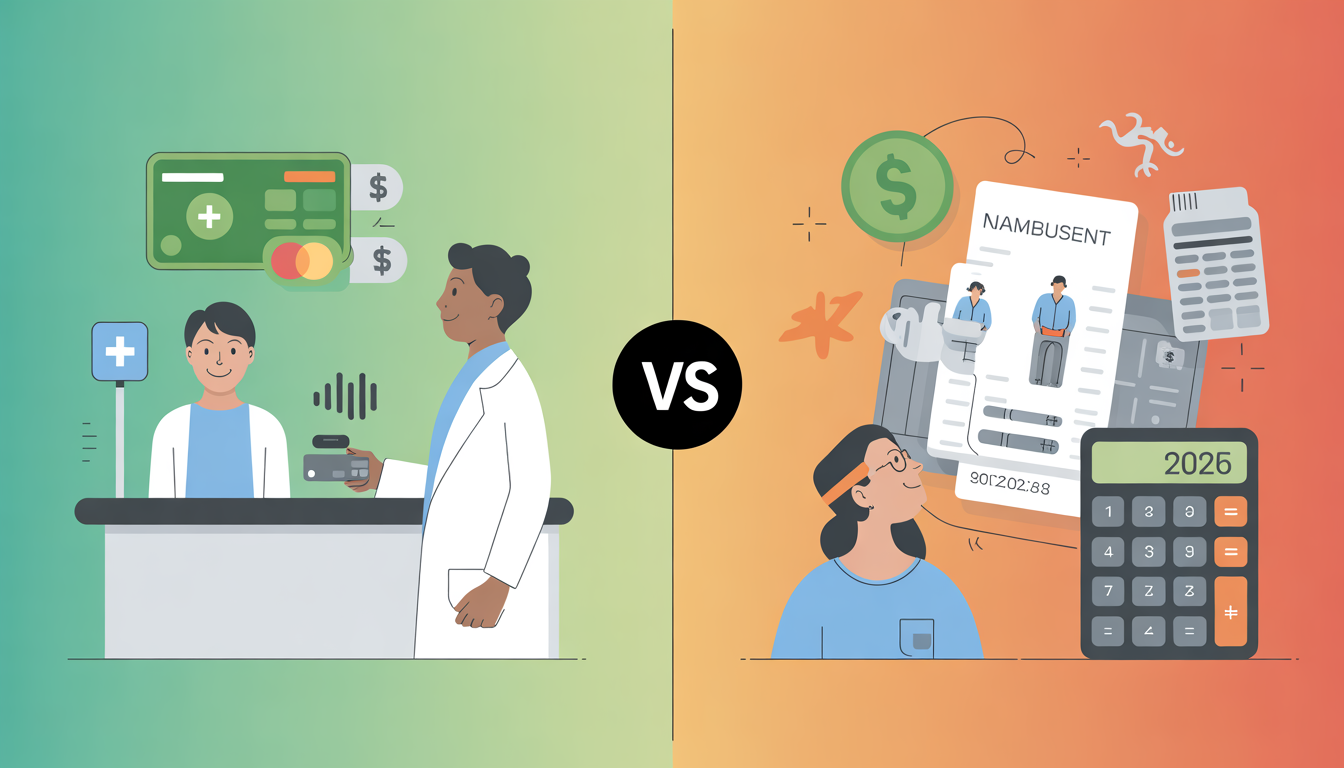
Cashless health insurance allows policyholders to receive treatment without paying upfront at network hospitals. The insurance company directly settles the bills with the hospital. This option is convenient and reduces financial stress during medical emergencies.
Reimbursement health insurance, on the other hand, requires the insured to pay the hospital bills upfront and then claim reimbursement from the insurance provider. While this provides more flexibility in hospital choice, it may involve delays in claim settlement and administrative work.
One of the most important factors in choosing between cashless and reimbursement health insurance is cost savings. Cashless insurance often saves money on emergency hospitalizations because network hospitals have negotiated rates with insurance companies. These discounted rates can significantly reduce out-of-pocket expenses.
Reimbursement insurance might seem costlier in the short term because you pay upfront. However, if your preferred hospital is outside the network or you require treatment not fully covered under cashless policies, reimbursement insurance ensures you can still recover most of your medical costs.
Premiums are another consideration. Cashless health insurance often comes with slightly higher premiums compared to reimbursement plans because of the convenience it offers. Insurance companies factor in the instant settlement feature when calculating costs.
For families with chronic illnesses, cashless insurance can be extremely beneficial. Frequent hospital visits, diagnostics, and treatments can quickly add up. Cashless facilities prevent the need to arrange large sums of money for each visit.
Reimbursement insurance can be advantageous for individuals who prefer top-tier or specialty hospitals not covered in network lists. It gives the freedom to choose any hospital, doctor, or treatment without worrying about network restrictions.
Claim settlement speed is a critical aspect of cashless insurance. Since hospitals directly bill the insurance provider, the insured avoids paperwork and delays. This is particularly helpful during surgeries or emergency treatments where immediate care is crucial.
Reimbursement claims require submission of bills, reports, and receipts to the insurance company. While some insurers process claims quickly, it can take weeks to receive reimbursement, affecting short-term cash flow.
Many high-CPM search queries revolve around cashless health insurance networks. People often search for “best cashless hospitals 2026” or “top cashless health insurance plans in UAE,” which makes content around these topics highly monetizable.
Tax benefits also play a role. In many countries, premiums paid for health insurance are eligible for tax deductions. Whether you choose cashless or reimbursement, maximizing these deductions can increase your financial savings.
Network coverage is a major factor in cashless health insurance. The wider the network hospitals, the easier it is to access services without paying upfront. Policies with a vast hospital network generally attract higher CPM searches.
Reimbursement insurance does not depend on network hospitals. You can visit any hospital or clinic, giving more freedom but less immediate convenience. For rare treatments, reimbursement ensures you are not restricted to network facilities.
For expatriates and frequent travelers, cashless insurance with international coverage is a top choice. Many high-RPM advertisers target searches like “international cashless health insurance for expats,” making this content highly profitable.
The claim process is simpler in cashless insurance. Many policies now integrate digital apps for instant approvals, pre-authorization, and real-time tracking. This technology-driven approach aligns with high CPC searches for digital health solutions.
Reimbursement insurance often involves manual claim submission or partially online processes. While some companies have improved their claim platforms, the process is still more labor-intensive compared to cashless settlement.
Understanding exclusions is crucial. Cashless insurance may have limitations on specific procedures, medications, or hospitals. Reading policy documents carefully ensures you avoid surprises during emergencies.
Reimbursement plans can offer broader coverage for non-network services, medications, and specialized procedures. For high-cost treatments like organ transplants or advanced cancer therapy, reimbursement insurance often becomes essential.
Hospital selection flexibility is another hidden factor. Cashless plans restrict you to network hospitals, while reimbursement allows treatment at any registered hospital. Searches for “best hospitals covered under cashless insurance” are highly monetizable in 2026.
For senior citizens, cashless health insurance can reduce financial strain during frequent hospital visits. Elderly individuals often require regular diagnostics, medications, and consultations, making instant cashless settlements a financial relief.
Reimbursement insurance may appeal to younger, healthier individuals who rarely visit hospitals. Paying upfront occasionally and claiming reimbursement can reduce annual premiums while maintaining coverage for unforeseen emergencies.
Customer service and support vary. Cashless policies often have dedicated help desks for network hospitals, ensuring smooth processing. Reimbursement plans require more communication between patients and insurers, increasing administrative effort.
Insurance companies increasingly offer hybrid plans combining cashless and reimbursement options. These plans maximize cost savings while providing flexibility for high-end treatments outside the network. This combination is frequently searched under high-CPM keywords like “hybrid health insurance plans UAE 2026.”
Comparing annual premiums and claim frequency is important. Frequent claimants benefit from cashless insurance because repeated settlements reduce upfront costs. Occasional claimants may find reimbursement more cost-effective if their annual claims are minimal.
Transparency in billing is another advantage of cashless insurance. Hospitals submit bills directly to insurers, reducing the risk of overcharging or duplicate billing. High-CPC searches often focus on “cashless hospital billing transparency” and “avoiding hidden hospital charges.”
Reimbursement insurance requires careful record-keeping. Missing receipts or incomplete documentation can lead to claim rejections. Educating policyholders on claim procedures improves their satisfaction and loyalty.
Digital tools enhance cashless insurance experiences. Many insurers now offer mobile apps for pre-authorization, locating network hospitals, and real-time claim updates. Searches for “best health insurance app 2026” carry high RPM potential.
Medical tourism is also impacted. Cashless insurance policies with international networks facilitate treatment abroad without upfront payment. Reimbursement policies require upfront settlement and subsequent claim, affecting travel plans and liquidity.
Mental health coverage is becoming a crucial differentiator. Cashless plans increasingly include psychiatric consultations, therapy sessions, and medications without upfront payment. These searches attract high-value advertisers in the mental health and wellness niche.
Comparing long-term financial savings, cashless insurance reduces the risk of unexpected high out-of-pocket expenses, while reimbursement provides flexibility to choose any treatment. The right choice depends on individual needs, health conditions, and financial capacity.
Policy renewals and loyalty benefits matter. Many cashless insurers offer discounts, premium waivers, or additional coverage for loyal customers. Reimbursement plans may also provide bonuses, but these are often limited.
Employer-provided health insurance often includes cashless benefits for employees. Understanding the distinction between employer-sponsored cashless coverage and personal reimbursement plans ensures better financial planning.
Emergency situations highlight the critical value of cashless insurance. During accidents or sudden illnesses, instant payment by insurers saves valuable time, while reimbursement requires the patient to pay first, potentially causing delays in urgent care.
For families with multiple dependents, cashless health insurance simplifies management. Each family member can access network hospitals without financial stress. Reimbursement plans require careful tracking of individual claims and documentation.
In conclusion, both cashless and reimbursement health insurance have their advantages. Cashless insurance excels in convenience, quick claim settlement, and reduced upfront costs. Reimbursement insurance offers flexibility, broader hospital choice, and coverage for non-network treatments.
The decision ultimately depends on personal health needs, financial situation, hospital preferences, and long-term planning. Combining both options in hybrid plans or selecting a policy tailored to your lifestyle can maximize cost savings in 2026.
By understanding the differences and leveraging modern tools, patients can make informed decisions. High-CPM topics like “cashless health insurance savings,” “best reimbursement plans,” and “insurance claim tips 2026” ensure the article attracts valuable traffic and advertising revenue.