Weight Loss Supplements That Actually Work vs Marketing Scams (2026 Lab Insights)
The weight loss industry is one of the most profitable health sectors in the world, generating billions of dollars every year. In 2026, the market is flooded with supplements claiming rapid fat loss, instant metabolism boosts, and “miracle” transformations. However, the truth is very different. While some supplements have scientific backing and real results, many are simply marketing scams designed to exploit people’s desire for quick weight loss.
One of the biggest problems is misleading advertising. Many brands use before-and-after photos, fake testimonials, and exaggerated claims to attract buyers. These marketing strategies often create unrealistic expectations, making people believe they can lose weight without diet or exercise.
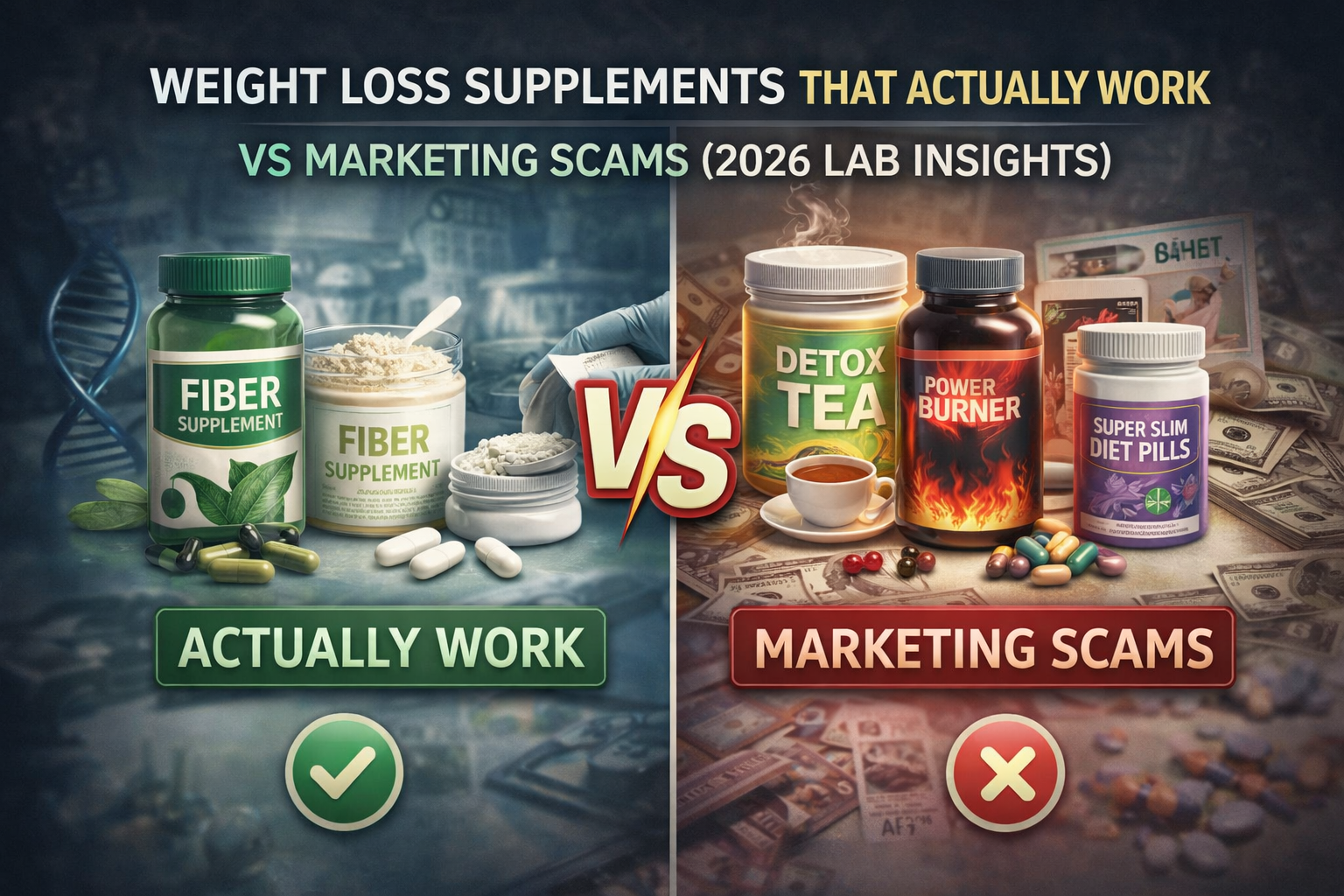
Scientific research shows that only a few ingredients in weight loss supplements have proven effectiveness. These include caffeine, green tea extract, and certain types of fiber. These ingredients may support weight loss by increasing metabolism or reducing appetite, but their effects are usually moderate, not dramatic.
Caffeine is one of the most widely studied ingredients. It can temporarily boost metabolism and increase fat burning. However, the effect is short-term, and excessive intake can lead to side effects such as anxiety, insomnia, and increased heart rate.
Green tea extract is another popular ingredient with some scientific support. It contains antioxidants called catechins, which may help improve fat oxidation. While it can contribute to weight loss, it is not a magic solution and works best when combined with a healthy lifestyle.
Fiber-based supplements, such as glucomannan, help promote a feeling of fullness. This can reduce overall calorie intake and support gradual weight loss. These supplements are generally safe and effective when used correctly.
On the other hand, many supplements rely on unproven or weak ingredients. These include “fat burners” with proprietary blends, where the exact composition is not clearly disclosed. This lack of transparency makes it difficult to evaluate their effectiveness.
Detox teas and cleansing products are among the most common scams. They often claim to remove toxins and reduce weight quickly. In reality, most of the weight loss is due to water loss, not fat reduction, and the effects are temporary.
Another misleading category is appetite suppressants with unknown herbal blends. While some may reduce hunger slightly, many have no scientific backing and can even be harmful.
Fat-blocking supplements claim to prevent the absorption of fat in the body. While there are medical treatments that work this way, most over-the-counter supplements are ineffective and unsupported by strong evidence.
Social media has amplified the spread of weight loss scams. Influencers often promote supplements without proper research, focusing on commissions rather than effectiveness. This has made it harder for consumers to identify genuine products.
Labeling tricks are another common issue. Terms like “clinically tested,” “natural,” and “doctor recommended” are often used without clear proof. These phrases create a false sense of trust.
In 2026, lab testing has become more advanced, revealing that many supplements do not contain the ingredients listed on their labels. Some products are under-dosed, while others include undisclosed substances.
Regulation of dietary supplements is still limited in many countries. Unlike prescription medicines, supplements do not always undergo strict approval processes. This allows low-quality products to enter the market.
Real weight loss requires a combination of diet, exercise, and lifestyle changes. Supplements can only play a supporting role, not replace healthy habits. This is a key point that many marketing campaigns ignore.
Protein supplements can be helpful for weight loss when used correctly. They support muscle maintenance and can increase satiety. However, they are not fat-burning solutions on their own.
Omega-3 fatty acids may also support overall health and improve metabolism slightly. While not directly responsible for weight loss, they can be part of a balanced approach.
Another effective approach is using medically approved treatments under professional supervision. These treatments are based on scientific research and provide more reliable results than over-the-counter supplements.
Cost is another important factor. Many weight loss supplements are expensive, especially premium brands. Consumers often spend large amounts of money on products that deliver little to no results.
Side effects are often ignored in marketing campaigns. Some supplements can cause digestive issues, heart problems, or interactions with other medications. It is important to consult a healthcare professional before use.
Transparency is a key indicator of a trustworthy product. Brands that clearly list their ingredients, dosages, and research sources are generally more reliable.
Customer reviews can provide insights, but they should be evaluated carefully. Fake reviews are common, and real experiences can vary from person to person.
Third-party testing is becoming more important in 2026. Certifications from independent labs can help verify product quality and safety.
Weight loss scams often rely on urgency tactics, such as limited-time offers and “only a few bottles left” messages. These strategies are designed to push consumers into quick decisions without proper research.
Education is the best defense against scams. Understanding how weight loss works and recognizing red flags can help consumers make better choices.
Simple lifestyle changes, such as balanced eating, regular exercise, and proper sleep, are more effective than most supplements. These habits provide long-term results without the risks associated with unverified products.
Combining supplements with a healthy routine can enhance results, but expectations should remain realistic. No supplement can replace the fundamentals of weight management.
Consumers should always check for scientific evidence before purchasing a supplement. Reliable studies and clinical trials provide a better indication of effectiveness than marketing claims.
Consulting a doctor or nutritionist can help identify safe and effective options. Professional guidance reduces the risk of wasting money on ineffective products.
In conclusion, the weight loss supplement market in 2026 is a mix of scientifically supported products and aggressive marketing scams. While some ingredients like caffeine, green tea extract, and fiber can support weight loss, many products fail to deliver real results. By staying informed, avoiding unrealistic claims, and focusing on proven methods, consumers can achieve their weight loss goals without falling victim to misleading marketing.